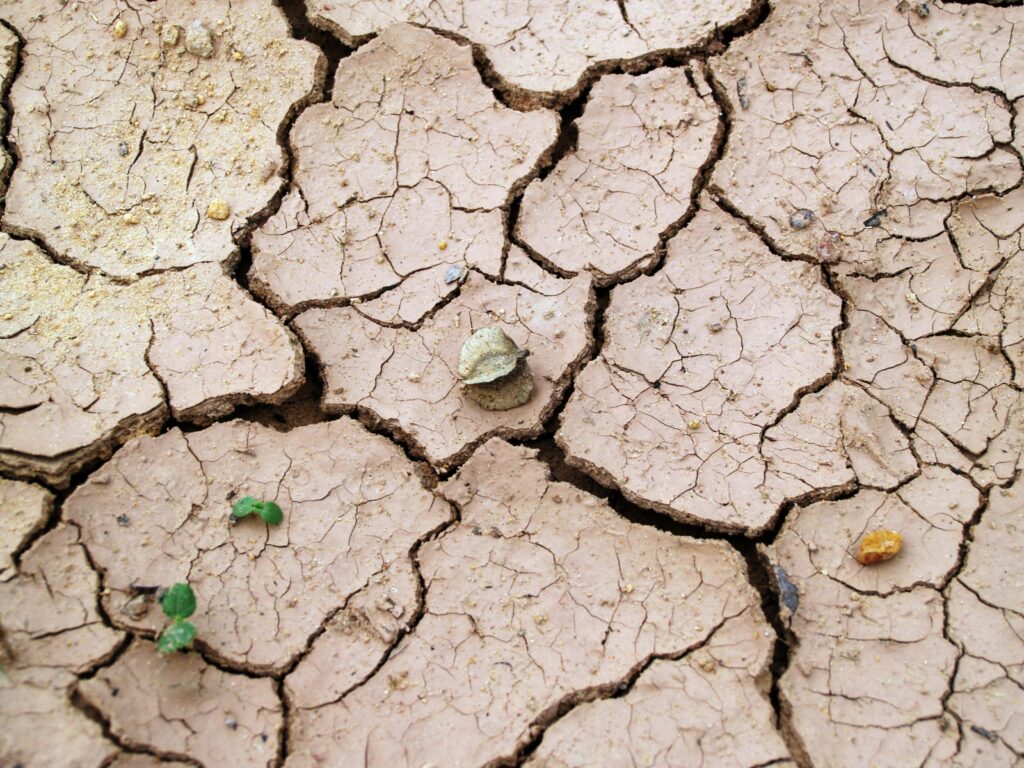
Imagine a farmer in the tough, drought-prone heartlands of Australia, always at the mercy of unpredictable weather and watching wheat yields rise and fall with every rain cloud or dry spell. The question on every farmer’s mind is: “How can wheat be tough enough to thrive even when the season turns harsh?” This story is about the science behind the answer, and how a new chapter in wheat breeding is unfolding—one where fields of wheat stay green and yields stay strong, no matter how stubborn the climate.
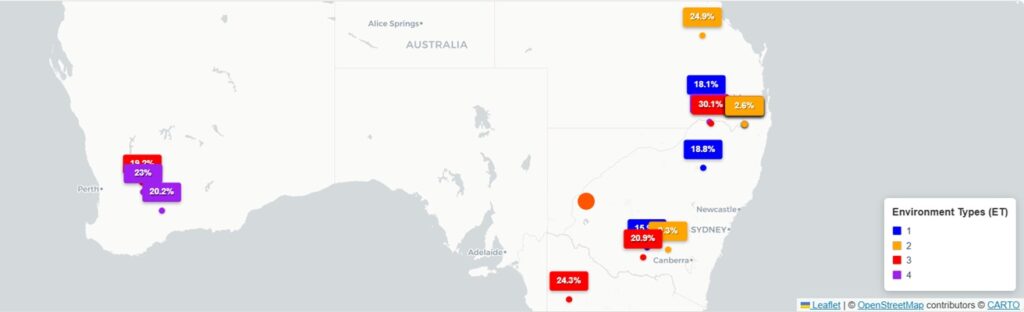
Researchers set out with a mission: they wanted to give farmers better wheat, using cutting-edge tools to untangle the stubborn puzzle of genotype by environment (G×E) interactions. In plain language, that means figuring out why the same wheat seed acts differently in every corner of the country, and in every season. Their weapon of choice? “Envirotyping”—a fancy word for understanding and categorizing every bit of environmental stress a crop faces, from how much water it gets to how hot the sun beats down, so breeders can match the best wheat to every kind of field.
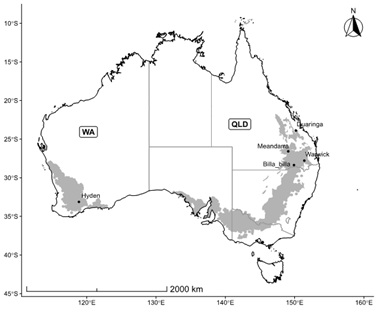
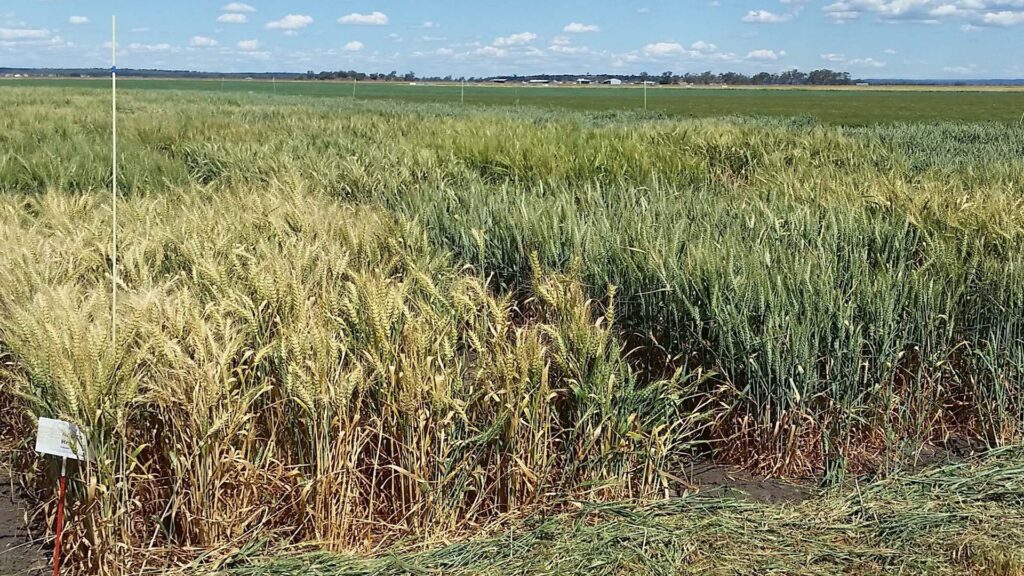
Ten trials scattered across the rainfall-diverse wheatbelt of Australia put thousands of wheat lines to the test. Some fields got regular sips of water; others went thirsty, just like a real farm in a dry year. What these scientists wanted to know was whether certain wheat plants could keep their leaves green for longer after flowering—the so-called “stay-green” trait. Why does this matter? Because green leaves mean the plant can keep harvesting sunlight late into the season, and that means more energy for filling out grains—even as drought bites and rivals turn brown. For a farmer, that could mean a field that stays alive and productive when the neighbor’s crop is wilting away.
With high-tech sensors tracking leaf greenness week after week, the research team measured exactly when and how each plant started to wither. They found that the wheat lines that delayed the onset of leaf senescence, and those with slower leaf aging, delivered yields up to a whole tonne per hectare higher than those that turned brown quicker. Even better, this advantage didn’t just show up in wet years—stay-green wheat performed in both water-sufficient fields and under punishing drought.
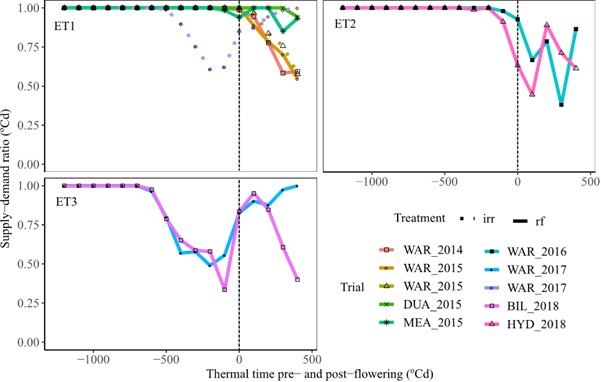
But there was more: by breaking down the stresses using crop models, the team showed that grouping trial fields by their real environmental challenges—water-rich, mild drought, or severe drought—made it much easier to predict which genotypes would succeed. For farmers, this means that the right “stay-green” wheat could be chosen for each patch of land, bringing hope for consistent yields even as the climate keeps shifting.
The conclusion? The combination of envirotyping and stay-green trait screening gives plant breeders a powerful recipe. Instead of just chasing high yields in good years, they can breed wheat for resilience through all conditions. Farmers, armed with these improved varieties, are better prepared to win the battle against drought and heat—watching their fields stay green and plentiful when it matters most. It’s a story of new science meeting age-old struggle, turning uncertainty into confidence, and unpredictability into hope.